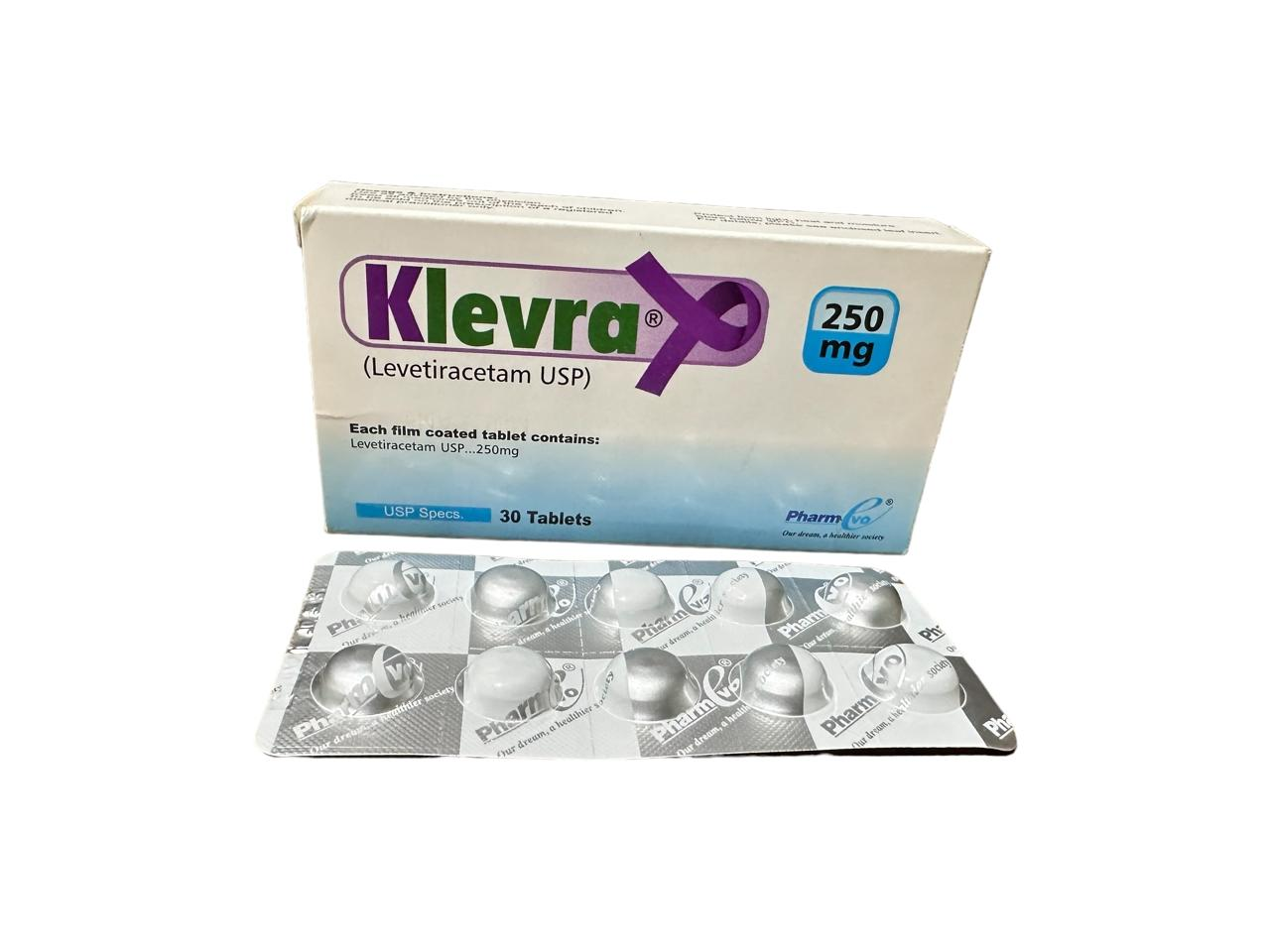
Klevra Tablets 250Mg (1 Strip = 10 Tablets)
The mechanism of action of levetiracetam still remains to be fully elucidated
The mechanism of action of levetiracetam still remains to be fully elucidated. In vitro studies show that levetiracetam affects intraneuronal Ca2+ levels by partial inhibition of N- type Ca2+ currents and by reducing the release of Ca2+ from intraneuronal stores. In addition it partially reverses the reductions in GABA- and glycine-gated currents induced by zinc and ß-carbolines. Furthermore, levetiracetam has been shown in in vitro studies to bind to a specific site in rodent brain tissue. This binding site is the synaptic vesicle protein 2A, believed to be involved in vesicle fusion and neurotransmitter exocytosis. Levetiracetam and related analogs show a rank order of affinity for binding to the synaptic vesicle protein 2A which correlates with the potency of their anti-seizure protection in the mouse audiogenic model of epilepsy. This finding suggests that the interaction between levetiracetam and the synaptic vesicle protein 2A seems to contribute to the antiepileptic mechanism of action of the medicinal product.
Purpose
Epilepsy
Ingredients
Levetiracetam
Warnings
The administration of levetiracetam to patients with renal impairment may require dose adjustment. In patients with severely impaired hepatic function, assessment of renal function is recommended before dose selection.
The use of levetiracetam has been very rarely associated with acute kidney injury, with a time to onset ranging from a few days to several months.
Levetiracetam can cause anaphylaxis or angioedema after the first dose or at any time during treatment. If a patient develops signs or symptoms of anaphylaxis or angioedema, levetiracetam is advised to be discontinued and the patient is advised to seek immediate medical attention. Levetiracetam is advised to be discontinued permanently if a clear alternative etiology for the reaction cannot be established.
Side Effects
Very common: Nasopharyngitis, somnolence and headache. Common: Anorexia, depression, hostility/aggression, anxiety, insomnia, nervousness/irritability, convulsion, balance disorder, dizziness, lethargy, tremor, vertigo, cough, abdominal pain, diarrhoea, dyspepsia, vomiting, nausea, rash and asthenia/fatigue. Uncommon: Thrombocytopenia, leucopenia, weight decrease, weight increase, suicide attempt and suicidal ideation, psychotic disorder, abnormal behaviour, hallucination, anger, confusional state, panic attack, emotional instability/mood swings, agitation, amnesia, memory impairment, abnormal coordination/ataxia, paraesthesia, disturbance in attention, diplopia, vision blurred, liver function test abnormal, alopecia, eczema, pruritus, muscle weakness, myalgia and injury. Rare: Infection, pancytopenia, neutropenia, agranulocytopenia, drug reaction with eosinophilia and systemic symptoms (DRESS), hypersensitivity, hyponatraemia, completed suicide, personality disorder, thinking abnormal, hepatic failure, hepatitis, acute kidney injury, toxic epidermal necrolysis, Stevens-Johnson syndrome, erythema multiforme, rhabdomyolysis and blood creatine phosphokinase increased.
Storage Instructions
Store this medicine at room temperature, away from direct light and heat.
| Brand | Pharmevo |
| Status | Active |
Related Products