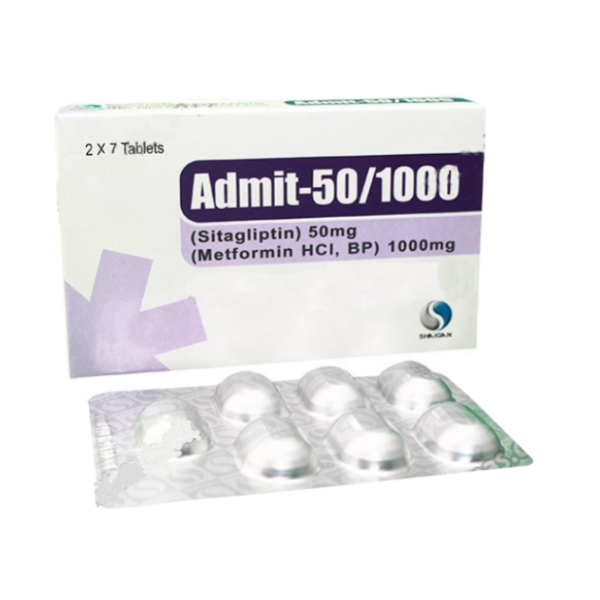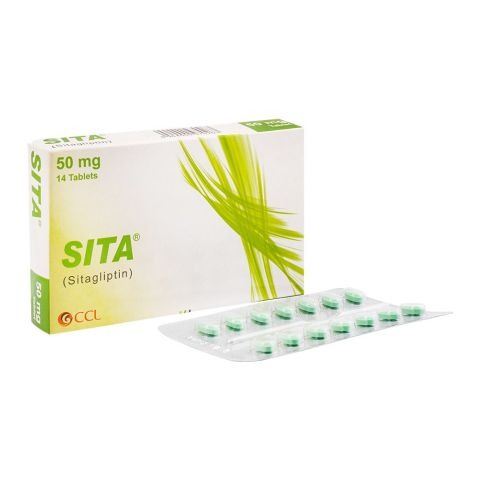
Sita Tablets 50Mg (1 Box = 2 Strip)(1 Strip = 7 Tablets)
Sitagliptin is a DPP-4 inhibitor, which is believed to exert its actions in patients with type 2 diabetes by slowing...
Sitagliptin is a DPP-4 inhibitor, which is believed to exert its actions in patients with type 2 diabetes by slowing the inactivation of incretin hormones, including glucagon-like peptide-1 (GLP-1) and glucose-dependent insulinotropic polypeptide (GIP). The incretins are part of an endogenous system involved in the physiologic regulation of glucose homeostasis. When blood glucose concentrations are normal or elevated, GLP-1 and GIP increase insulin synthesis and release from pancreatic beta cells by intracellular signaling pathways involving cyclicAMP. GLP1 also lowers glucagon secretion from pancreatic alpha cells, leading to reduced hepatic glucose production. By increasing and prolonging active incretin levels, sitagliptin increases insulin release and decreases glucagon levels in the circulation in a glucose-dependent manner.
Purpose
Diabetes
Ingredients
Sitagliptin
Warnings
When sitagliptin is used in combination with a sulphonylurea or with insulin, medications known to cause hypoglycemia the incidence of hypoglycemia increases when used in combination with a sulphonylurea or with insulin. Therefore, a lower dose of sulphonylurea or insulin may be required to reduce the risk of hypoglycemia.
An association between dipeptidyl peptidase-4 (DPP-4) inhibitor treatment and heart failure has been observed in trials for two other members of the DPP-4 inhibitor class. Consider the risks and benefits of Sitagliptin prior to initiating treatment in patients at risk for heart failure, such as those with a prior history of heart failure and a history of renal impairment, and observe these patients for signs and symptoms of heart failure during therapy. Advise patients of the characteristic symptoms of heart failure and to as soon as possible report such symptoms. If heart failure develops, evaluate and manage according to current standards of care and consider discontinuation.
If a hypersensitivity reaction is suspected, discontinue this medicine, assess for other potential causes for the event, and institute alternative treatment for diabetes. Angioedema has also been reported with other DPP-4 inhibitors. Use caution in a patient with a history of angioedema with another DPP-4 inhibitor because it is unknown whether such patients will be predisposed to angioedema with sitagliptin.
Side Effects
Upper respiratory-tract infections, headache and nasopharyngitis.
Storage Instructions
Store this medicine at room temperature, away from direct light and heat.
| Brand | CCL |
| Status | Active |
Related Products